
From Addiction to Author: Creating a Path to Recovery and Social Change

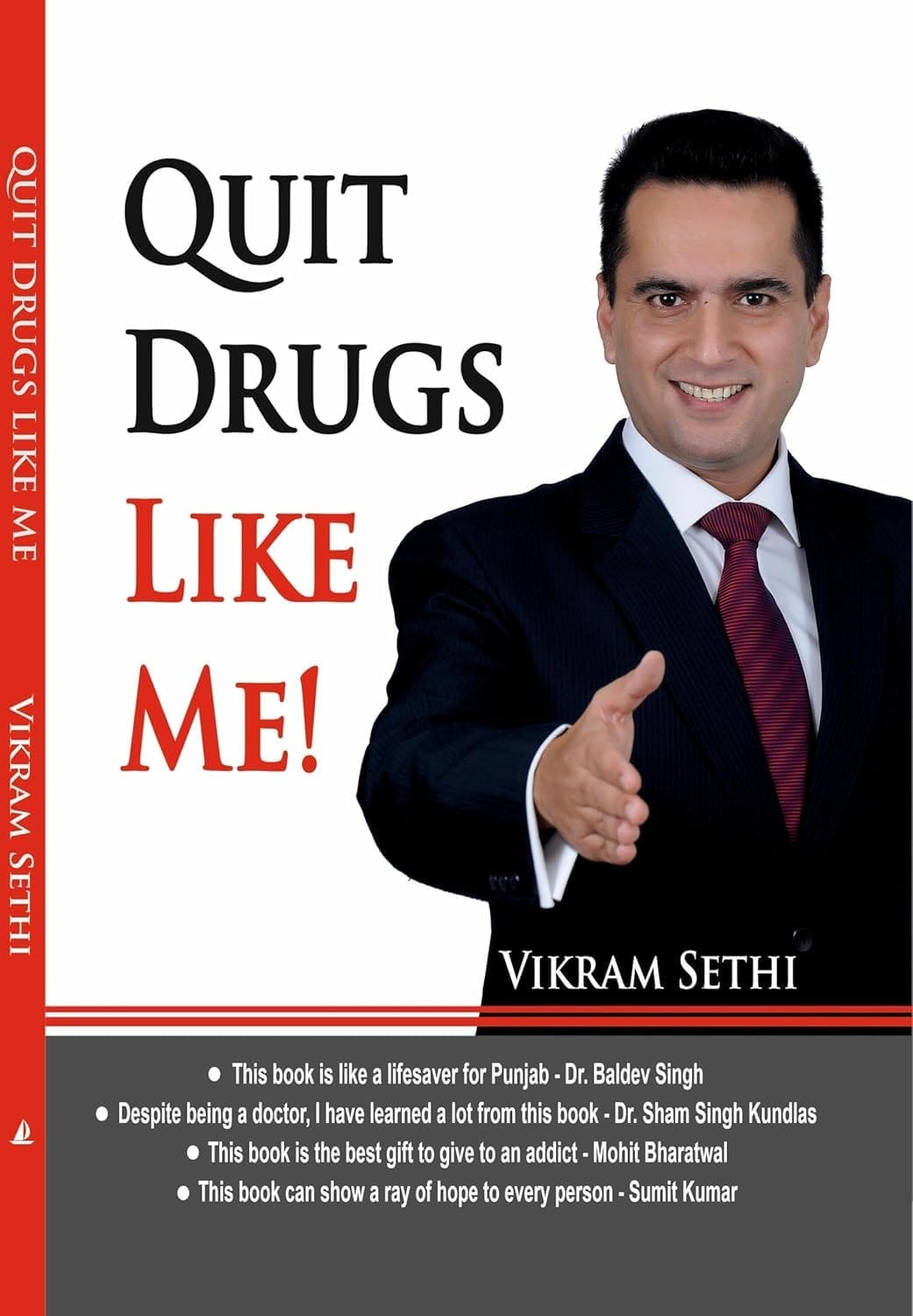
Vikram Sethi
Quit Drugs Like Me
NON-FICTION
GENRE
112
NO. OF PAGES
Paperback
BINDING
Introduction
In the challenging landscape of addiction recovery, where despair often overshadows hope, Vikram Sethi discovered that true healing lies not in isolation but in community support and shared experiences. His transformation from a drug addict to an author and social reformer represents a powerful journey that challenges traditional approaches to addiction recovery.
With personal experience in battling severe addiction, Sethi recognized a critical gap in how addiction recovery was being approached. Traditional rehabilitation centers, while numerous, often failed to connect with addicts on a human level, leaving many struggling to find a sustainable path to recovery.
"Every addict has a story worth telling," Sethi emphasizes. "The challenge isn't just in quitting drugs – it's in rebuilding your entire life from scratch." This insight became the foundation of his approach to addiction recovery and eventually, his journey to authorship.
The problem he observed was multifaceted. First, existing rehabilitation centers often used force and fear as primary tools, without addressing the underlying causes of addiction. Second, many treatment approaches failed to consider the long-term rehabilitation needs of recovering addicts. Finally, the stigma associated with addiction often prevented many from seeking help openly.
"I am sitting in front of you today as proof that change is possible," he shares. "If I can transform from a junkie to an author, anyone can rebuild their life."
"Every addict has a story worth telling," Sethi emphasizes. "The challenge isn't just in quitting drugs – it's in rebuilding your entire life from scratch."

Pre-Author Life
Sethi's journey to authorship was paved with both dark struggles and enlightening experiences. His story began in Punjab, where he fell into drug addiction through negative peer influence. The descent into addiction was rapid and severe, leading to heroin use and numerous legal troubles.
"I've been thrown out of the house. I've been to jail. I don't know where I have reached because of my actions," he reflects on his past. During his addiction years, he experienced firsthand the inadequacies of the current rehabilitation system, being forcefully admitted to various centers without proper intervention or support.
However, it was his eventual recovery that would shape his approach to helping others. Working with different rehabilitation centers and understanding their limitations helped him develop his unique methodology for recovery. "You have to combine physical recovery with mental and spiritual healing," he explains. "Otherwise, it's just temporary abstinence without true transformation."
His recovery journey began with small steps – morning meditation, regular exercise, and most importantly, helping others in their recovery journey. This experience would later prove invaluable in creating practical, implementation-focused recovery programs.
"You have to combine physical recovery with mental and spiritual healing,"
The Trigger Point
The decision to write came from years of observing the persistent gaps in addiction recovery support. Despite the presence of numerous rehabilitation centers and programs, addicts and their families continued to struggle with finding effective, long-term solutions.
"Today people are just focusing on forced rehabilitation, they miss the human aspect," Sethi notes. "I wanted to create something that would help them see both the recovery process and the path to a new life." This realization became the catalyst for his writing journey.
His first step was identifying exactly what was missing from existing recovery programs. He spent months analyzing various rehabilitation approaches, noting their strengths and areas where they fell short. The key issues he identified included:
Lack of proper intervention techniques
Over-reliance on force and fear
Insufficient focus on post-recovery life
Absence of family support systems
Limited options for female addicts
The turning point came during his work with recovering addicts. "When I saw people returning to addiction after rehabilitation, I realized we needed a different approach," he recalls. "We needed to make recovery not just about quitting drugs, but about building a new life."
"We needed to make recovery not just about quitting drugs, but about building a new life."
Choosing the Topic
Sethi's approach to topic selection was deeply personal and need-based. Having identified the gaps in addiction recovery, he focused on areas where his experience could make the most impact.
"Drug addiction recovery and rehabilitation principles are fundamental," he explains. "Yet many find these concepts overwhelming. I wanted to change that perception." His book would combine personal experience with practical methodology, making recovery accessible to both addicts and their families.
The content structure emerged from careful analysis of recovery needs:
Understanding addiction and its root causes
The Vikram Sethi Method for recovery
Real-world implementation strategies
Family support systems
Post-recovery life building
"I have divided my experience into three books," he shares. "The first focuses on recovery, the second on rebuilding life after addiction, and the third on creating social impact."

Publishing Journey
The path to publication required careful consideration of various factors. "Creating something different from what's already available is challenging," he admits. "The essence of recovery and hope should be there. It shouldn't be missed."
His systematic approach included:
Content development focusing on practical implementation
Translation into multiple languages (English, Hindi, Punjabi)
Quality assurance through recovered addict testimonials
Distribution strategy including donation programs
Pricing strategy to ensure accessibility
"A book shouldn't just sit on a shelf," he notes. "It should reach those who need it most, even if they can't afford it."
Marketing and Branding
Sethi's approach to marketing his book was as compassionate as his writing process. Understanding that addiction recovery books require sensitive promotion strategies, he developed a multi-faceted approach that leveraged his recovery network and social work experience.
"If you want to create impact, you have to reach out," he explains. "But reaching out isn't just about selling books – it's about creating awareness and hope." His marketing strategy focused on building credibility through practical demonstrations of his methodology.
His primary channels included:
Rehabilitation center partnerships
NGO collaborations
Social media presence
Recovery support groups
The Vikram Sethi Podcast
"Write from your heart but structure with your mind,"
The Business Impact
The book's success extended far beyond traditional measures of sales and revenue. It transformed Sethi's ability to impact lives and created numerous opportunities for expanding his mission.
Key impacts included:
Establishment of Nasha Mukta Naujawan Morcha
Increased recovery success stories
Expanded rehabilitation programs
Growing support network
Enhanced credibility in the field
Final Advice for Aspiring Authors
For individuals considering writing about personal transformation, Sethi offers comprehensive guidance based on his experience:
"Write from your heart but structure with your mind," he advises. "Your personal experience is valuable, but it needs to be presented in a way that others can learn from it."
He emphasizes the importance of:
Authenticity in sharing experiences
Practical implementation guidance
Hope-centric messaging
Continuous community engagement
Regular content updates
Conclusion
Vikram Sethi's journey from addict to author demonstrates the power of transforming personal struggle into social impact. His success proves that even the darkest experiences, when properly channeled, can become sources of light for others.
Today, he continues to bridge the gap between addiction and recovery, showing that the true value of transformation lies in helping others achieve the same. His experience offers a blueprint for individuals looking to convert their personal struggles into resources for social change.
"The greatest glory in living lies not in never falling, but in rising every time we fall," he concludes, embodying the spirit of his message through his ongoing work in addiction recovery and social reform.

Quick links
All Rights Reserved © authorstory.in