
From Classroom to Bestseller: The Inspiring Journey of Dr. Prashant Pareek

Dr. Prashant Pareek
NON-FICTION
GENRE
152
NO. OF PAGES
Paperback
BINDING
Introduction
When most people think of authors, they picture someone who always dreamed of writing books. Dr. Prashant Pareek's story breaks this mold completely. As a business school professor in Ahmedabad, he has published seven books in just nine years, each exploring wildly different topics that sparked his curiosity.
What makes Prashant special isn't just his ability to write—it's how he approaches writing. While many authors chase market trends, Prashant writes about what truly interests him. His books range from dairy economics to Indian mythology, from business lessons to spiritual stories. Each book grows naturally from his life experiences, work, and personal interests.
Prashant shows us that being an author isn't about following a formula—it's about sharing your unique knowledge and viewpoint with the world. His journey proves that a book can be much more than words on paper. It can be a powerful way to share ideas, explore topics you love, and connect with readers who want to learn.
As we explore his story, we'll discover the motivations, strategies, and triumphs that transformed him from a college professor into a successful author who bridges many different worlds through the power of storytelling.
ACTION STEP:
Identify three topics you're naturally curious about that you could potentially write about. Don't worry if they seem unrelated—your unique combination of interests might become your authorial signature.
The Pre-Author Life
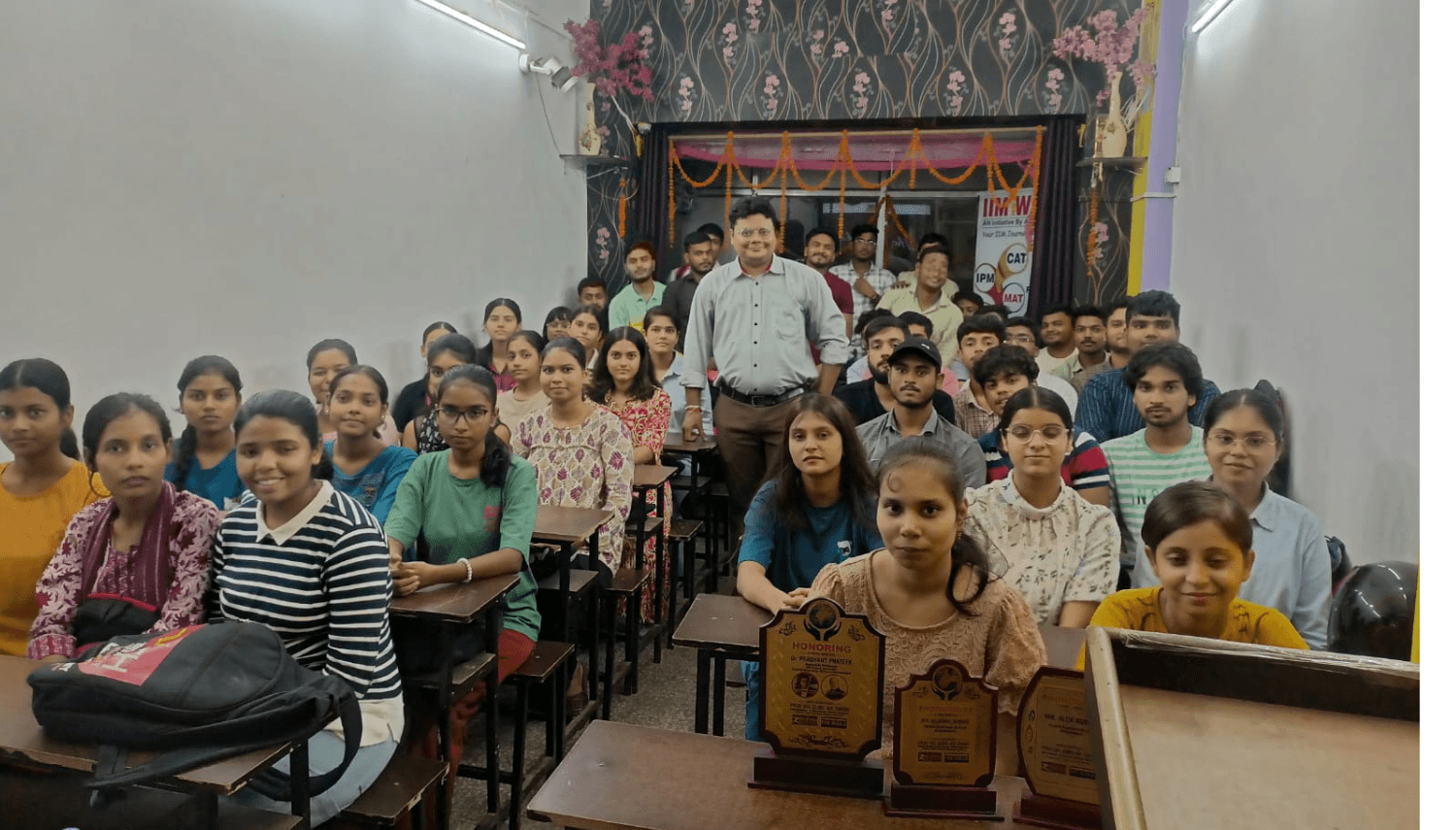
Prashant didn't start as an author. He began his career in media with the Danny Baskar group before moving into teaching. Since 2012, he has worked as a professor, currently teaching at a business school in Ahmedabad.
His background in both media and teaching gave him a special lens for his later writing. Prashant was deeply interested in how people learn. He developed a teaching style that connected theory with real-world application—an approach that would later define his writing.
A turning point came through a project with India's Department of Science and Technology. This work took him to 150 villages in Gujarat, where he discovered the fascinating story of the Amul brand. What started as research soon grew into his first book—a 100-page exploration of dairy farming and village life.
During these years, Prashant was gathering rich experiences without realizing they would fuel his writing career. His media background taught him storytelling, his academic training gave him research skills, and his fieldwork provided real-world insights. Without planning it, he was building the perfect foundation for his future as an author.
The shift from media to teaching wasn't random—it was driven by his passion for learning and sharing knowledge. Working with different teams and teaching diverse students gave him insights into how to communicate complex ideas simply—a skill that would prove priceless in his writing.
ACTION STEP:
Reflect on your own career path and identify how your unique experiences and skills could inform a writing project. What knowledge have you gathered that others might find valuable? Make a list of your professional experiences that could translate into useful content.
The Trigger Point
For many successful authors, the decision to write comes from an unexpected spark—not a calculated career move. After completing his village research project in Gujarat, Prashant felt a strong urge to share what he'd learned. "I thought of publishing my learnings in a book form," he recalls. "It should not be a big book, but a book where the reader should get information about the dairy sector of Gujarat and the village life."
This first writing experience opened his eyes to new possibilities. Following his interests in Indian mythology and storytelling, he began exploring many different topics. His books emerged naturally from his personal passions:
A study of Gujarat's dairy sector
Stories from the Shiva Mahapurana
Business lessons drawn from storytelling
Stories about Lord Krishna
One particularly meaningful experience happened during a family trip to Vrindavan. While talking with temple priests and village elders, he collected 26 stories that became his only Hindi book, "Lok Kathayein Vrindavan se" (Folk Tales from Vrindavan). Each of his books wasn't planned as part of a strategy—it was simply a heartfelt response to something that deeply interested him.
ACTION STEP:
Pay attention to what genuinely excites you. When you find yourself eagerly sharing information about a topic with friends or colleagues, make a note—this might be your book's trigger point. Start keeping a "passion journal" where you record topics that energize you.
Choosing the Topic
Prashant's method for selecting book topics is refreshingly simple: follow what truly interests you. "You should take a domain that is your interest area," he advises. "Because you will be able to contribute to that domain."
He doesn't choose topics based on market trends or what might sell well. Instead, his selection process is driven by:
Personal passion and genuine interest
Having a unique perspective to offer
Potential to provide meaningful insights
Connection to his own experiences
His diverse books show this approach in action:
First book on dairy farming, inspired by his fieldwork
Books on Shiva Mahapurana and Jyotirlingas
A collection of business lessons from stories
Stories about Lord Krishna, inspired by his Vrindavan visit
"The content is inviting me to come and work on it," Prashant says. This organic approach ensures each book isn't just another publication but a genuine contribution to knowledge.
He encourages new authors to look beyond what's trending and focus on areas they truly understand. "If aspiring authors think like this," he notes, "they will get a lot of content and offer a new perspective to readers."
ACTION STEP:
Create a "topic evaluation chart" with four columns: (1) Your level of passion for the topic (1-10), (2) Your unique angle or perspective, (3) Value to potential readers, and (4) Your personal connection to the topic. Rate 3-5 potential book ideas to find your strongest option.

Publishing Journey
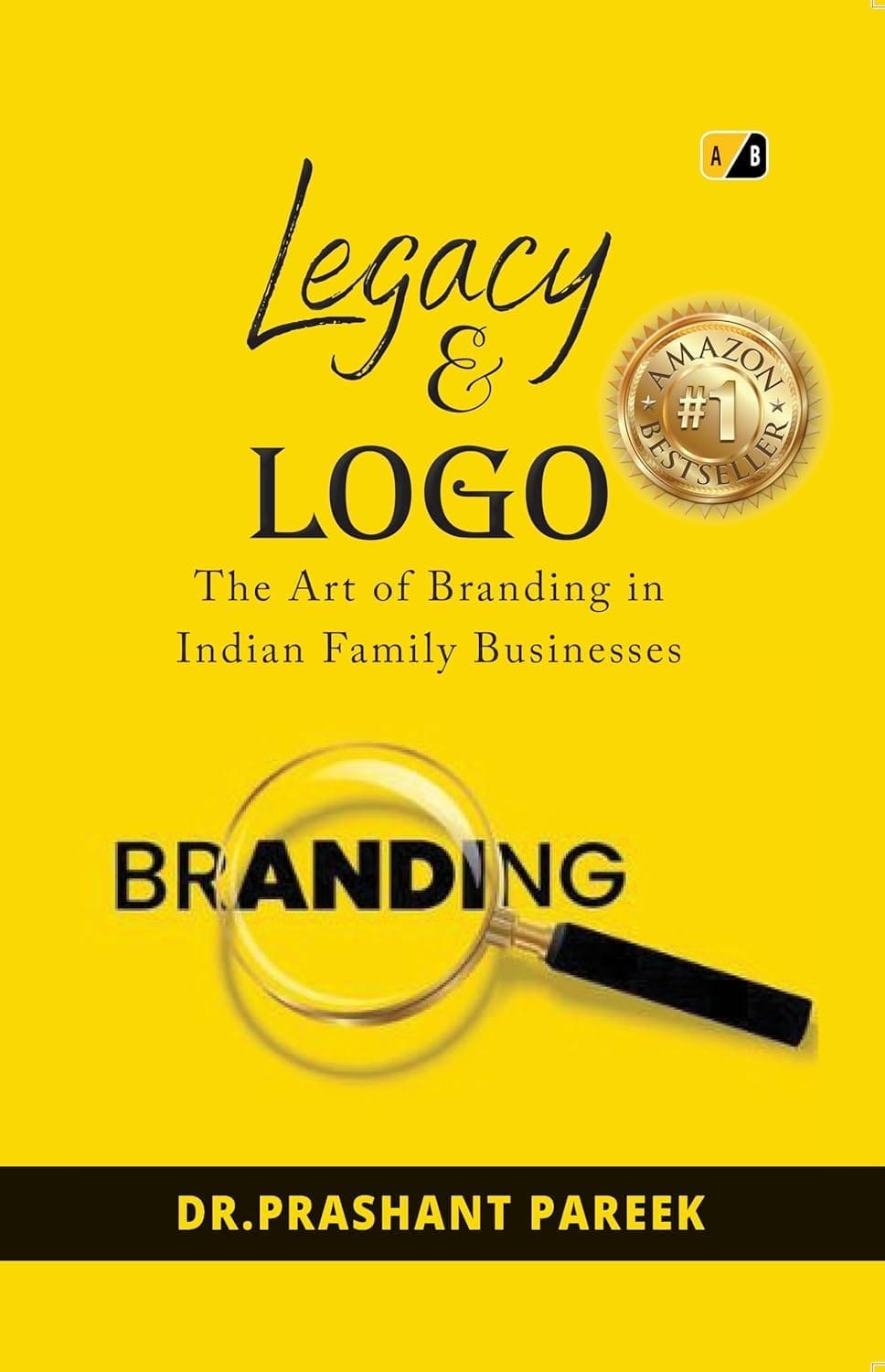
Managing time and developing writing discipline are key parts of Dr. Pareek's book creation process. "In 2015, the first book came and in 2024, in 9 years, I have written 7 books," he says. "On average, I publish one book in a year."
His approach to writing is both structured and flexible. "It is important to divide the whole project into small milestones," he advises. "Rather than writing a book with a burden, you should enjoy the journey and learn from it."
He breaks the writing process into manageable chunks. "You should make a target that I have to finish this in a year," he explains. "So how much work do you have to do in a week? How much work should be done in 15 days? You have to pursue that thing with motivation."
Dr. Pareek emphasizes getting help from others during writing. "Even today, when I write a book, I take help from people who can proofread it well," he shares. "You cannot say that I am the best. This is not a good mindset."
His key writing recommendations include:
Break the project into small milestones
Set clear yearly targets
Enjoy the writing process
Learn as you write
Get good proofreading help
Focus on writing clearly and correctly
He acknowledges that writing is challenging, especially for first-time authors. "Writing a book is a very difficult way to express," he notes. "Because you have to write 150-200 pages that flow well." The goal isn't just to finish a book but to create something meaningful. "Each book should be better than the last," he emphasizes. "This should be our mission."
Finding the right publisher is also crucial. Dr. Pareek outlines several publishing options:
Publishers offering complete services
Self-publishing
Traditional publishers with long waiting times
He has tried different publishing routes. "I took help from universities for a couple of books," he shares. "I went to universities who have their own publishing department."
His advice is to choose a publisher who understands your goals. "Do you want your book to spread so much that it builds your name? Do you want people to see you as an expert in this field?"
He warns against publishing just to add to your resume. "Many authors think, 'I wrote a book to add something to my CV.' That's not enough."
The key is having a clear purpose. "If you become an author, do it with a vision," he advises. "Your vision should be clear that you'll have a domain where your books make you an expert. Then people will take you seriously."
ACTION STEP:
Create a simple writing schedule that fits your life. For example, commit to writing for 30 minutes every morning before work or for two hours every Saturday. Then break your book into small chunks—aim to complete one chapter per month. Use a simple progress tracker to celebrate small victories.
Marketing and Branding
Dr. Pareek markets his books in personal and direct ways. "For marketing, I go to different places," he explains. "I visit colleges and schools to give seminars."
His marketing approach includes several key strategies:
Giving talks and seminars
Writing blog posts
Creating short videos
Using social media effectively
During his talks, he shares portions of his book. "I take a little content from the book and discuss it," he says. "Then I tell the audience, 'If you're interested, my book is available on major online stores.'"
Blogging is another important marketing tool. "I write blogs," he shares. "I take a section of my book and create a blog post. At the end, I add a link where readers can buy my book to learn more."
He also works with his school's creative team. "My institute has a design team," he explains. "They create graphics and shoot short videos that I share on social media."
His approach focuses on content-based marketing rather than hard selling. "Book writing and brand building take time," he notes. The goal isn't just selling books but building credibility as an expert.
Dr. Pareek suggests choosing a publisher who helps with marketing. "Pick a publisher who will support your brand building," he advises.
The marketing process happens gradually. "Platforms like Amazon and Flipkart create promotional materials," he explains. "That takes 1-2 months of work."
His strategy goes beyond traditional book promotion. Each marketing effort is a chance to share knowledge, build professional reputation, and connect with potential readers.
ACTION STEP:
Create a simple "content repurposing plan" for your book marketing. Identify three key insights from each chapter that could become: (1) a blog post, (2) social media content, and (3) talking points for presentations. This gives you multiple ways to share your ideas without creating entirely new content.
The Business Impact
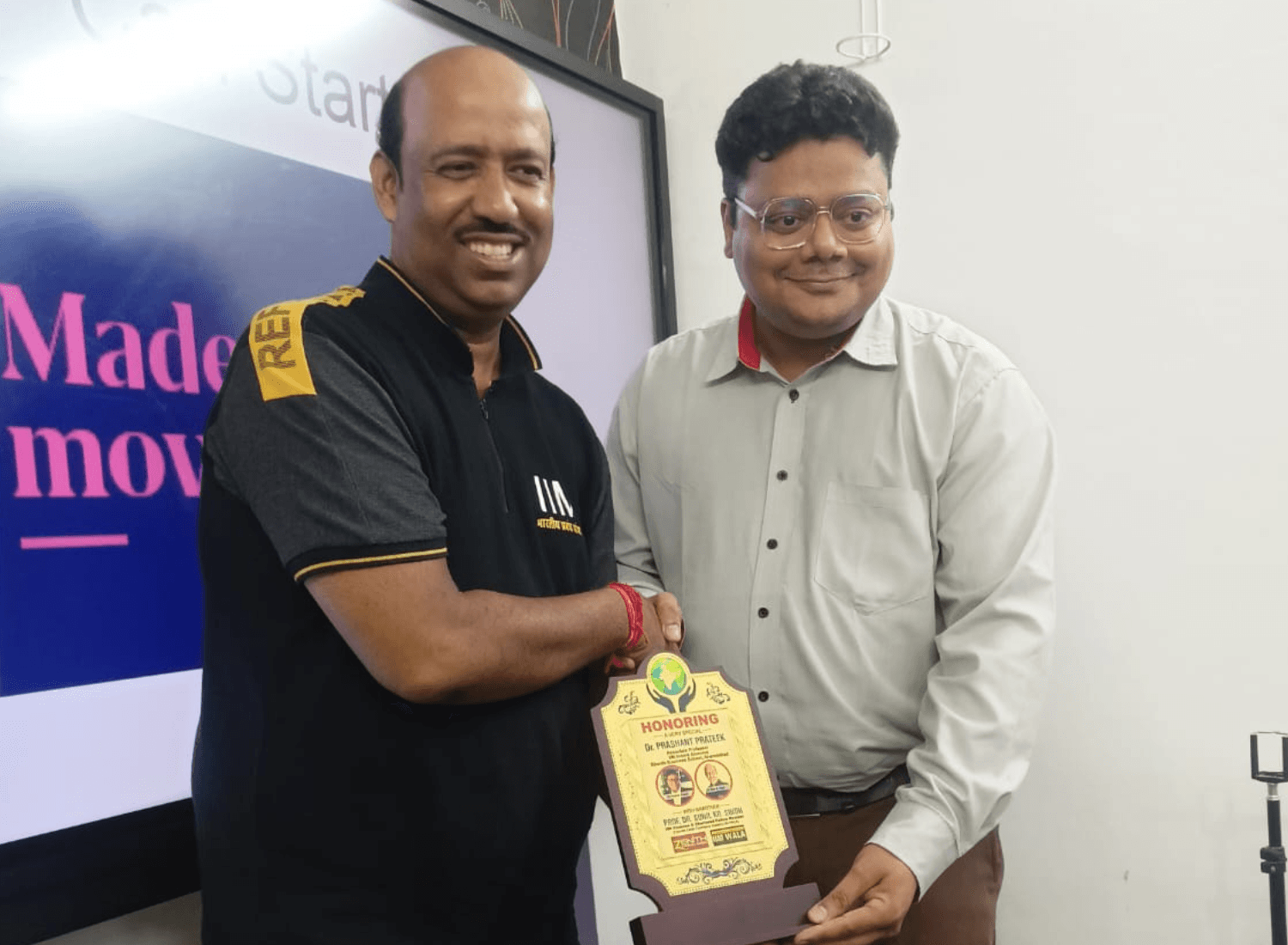
Writing books has completely transformed Dr. Pareek's professional life. "Now people invite me to give talks," he explains. "Corporations, startups, different schools, smaller cities, universities, colleges—they all reach out."
The professional opportunities have been substantial. "I get invited to give TEDx speeches," he notes. He receives about 35-40 speaking invitations every year, which has greatly expanded his professional reach.
These speaking engagements also bring financial rewards. "If I'm invited to 30-35 places yearly, I charge for about half of these," he shares. "The other half I do for free because of existing relationships."
The impact goes beyond just speaking opportunities. "As I've published more books, more people ask me to give talks," he explains. These invitations come from many different places—companies, startups, schools, universities, and colleges.
His books have opened doors to wider professional recognition. "People start seeing you as an expert," he notes. This expertise creates various career opportunities.
The professional growth isn't just about quantity but about creating a meaningful personal brand. "You should use your book to build your personal brand," he advises. Each book is a chance to establish credibility and expertise.
These opportunities didn't happen overnight. "At first, you might not get much response," he cautions. "But if you keep creating quality content and going deeper into your subject, people will start taking you seriously."
His journey shows that writing can be more than a creative outlet—it can be a powerful tool for career growth, brand building, and sharing knowledge.
ACTION STEP:
Consider how your book could create a "authority ladder" for your career. Make a list of at least five ways your book could lead to professional opportunities: speaking engagements, consulting work, teaching positions, media appearances, or even a new career direction. Then create a simple outreach plan to pursue these opportunities once your book is published.
Final Advice for Aspiring Authors
Dr. Pareek's advice for new authors comes from his own journey of discovery and passion. "You should write books," he emphasizes. "But don't just write—use that book to build your personal brand."
His key recommendations include:
Write about what truly interests you
Offer unique content in your chosen area
Stay consistent
Focus on quality over quantity
Use writing as a platform for personal branding
"Choose a subject that really interests you," he advises. "Because then you'll be able to add something valuable to that field." The focus should be on offering fresh perspectives rather than repeating what others have already said.
He encourages authors to think beyond just publishing. "If you become an author, do it with a clear vision," he says. Your vision should be about becoming known for your expertise and making a meaningful contribution.
Managing your time and being consistent are crucial. "If you publish one good book yearly, readers will appreciate it," he suggests. The goal isn't to rush but to create quality content.
He stresses the importance of enjoying the writing process. "Don't write a book as if it's a burden—enjoy the journey and learn from it," he advises. Each book should help you grow personally and professionally.
Getting help from others and being open to feedback is essential. "Even now, I ask people to proofread my work," he shares. Putting aside your ego and focusing on improvement is key.
For those struggling to find topics, his advice is simple: look at your own life. "Collect stories from your experiences, your conversations, your work life," he suggests. Everyone has unique stories waiting to be shared.
His final message is encouraging: "Just start, reach out, and opportunities will open up for you," he says. Writing isn't just about publishing—it's about sharing knowledge and building your personal brand.
ACTION STEP:
Take the "first chapter challenge": Commit to writing just the first chapter of your book within the next 30 days. Don't worry about perfection—focus on getting your ideas down. Share it with 2-3 trusted friends for feedback. This small step will build momentum and show you that writing a book is possible one page at a time.
Conclusion
Dr. Pareek's journey from professor to successful author shows the power of combining expertise with accessibility. His success proves that specialized knowledge, when presented well, can reach and benefit many people.
Key lessons from his story include:
The importance of practical examples
The value of current, relevant content
The power of integrated marketing
The impact of quality writing
The need for constant learning and updating
Today, he continues bridging the gap between theory and practice, showing that knowledge is most valuable when shared effectively. His experience provides a blueprint for experts who want to transform their knowledge into helpful resources.
Looking ahead, Dr. Pareek plans to:
Expand his content offerings
Develop online courses
Create additional resources
Update existing materials
Reach wider audiences
His story inspires professionals considering writing books, proving that expertise combined with dedication can create lasting educational impact.
ACTION STEP:
Create a simple "author mission statement" in one paragraph. Clarify why you want to write, who you want to help, and what impact you hope to make. Post this where you'll see it daily to keep your motivation strong when the writing gets difficult. Remember that your unique perspective could be exactly what someone else needs to hear.

Quick links
All Rights Reserved © authorstory.in