
How I Achieved Success in Real Estate Training by Writing a Series of Books

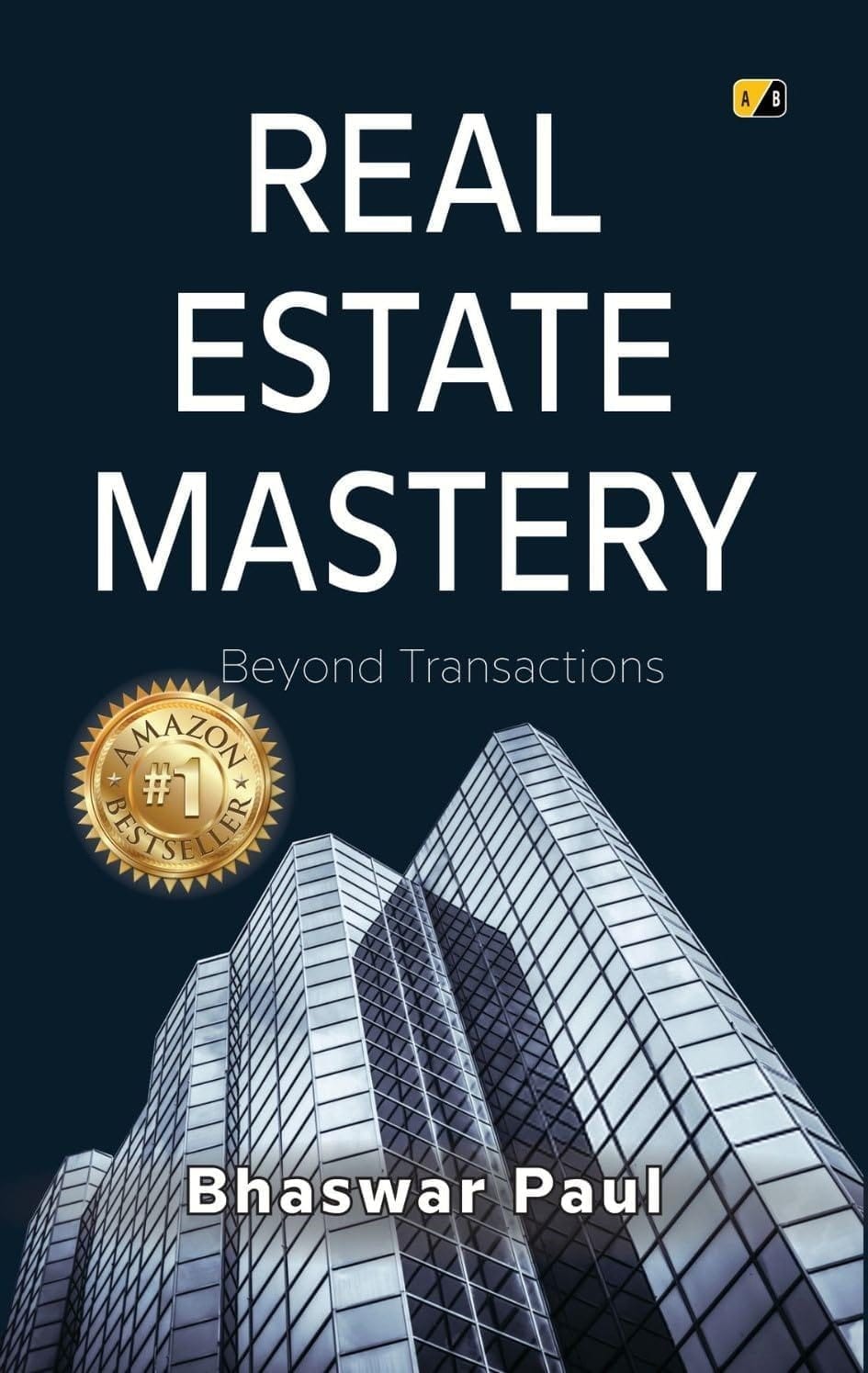
Bhaswar Paul
NON-FICTION
GENRE
125
NO. OF PAGES
Paperback
BINDING
Introduction
From his humble beginnings in the corporate world to becoming a thought leader and author in the real estate domain, Bhaswar's journey exemplifies the power of vision and perseverance. What distinguishes his path is not just the career transition but his ability to identify critical industry gaps and address them through education and mentorship. His story offers a blueprint for professionals seeking to make meaningful contributions in their fields while establishing themselves as authorities.
ACTIONABLE INSIGHT :
Examine your industry for knowledge gaps that align with your expertise. Your greatest professional impact often comes from addressing problems others have overlooked.
Key Highlights of His Journey
Corporate Foundation: Bhaswar began in technology, where he developed crucial skills in client relationship management and strategic communication through international pre-sales roles. This seemingly unrelated experience became invaluable in his real estate career.
Strategic Pivot: Rather than making an impulsive career change, Bhaswar methodically analyzed India's economic trajectory. He identified real estate as an emerging sector with exponential growth potential during the 2005-2010 economic boom, when property values in major metros increased by 25-30% annually.
Quantifiable Achievement: Within five years of his transition, Bhaswar closed sales worth over ₹5,500 crores (approximately $730 million USD), placing him among the top 2% of real estate professionals in the Indian market.
Industry Revolution: Noticing that 68% of real estate professionals lacked formal training, Bhaswar created India's first comprehensive training program addressing this specific skills gap. This program eventually evolved into his book series.
"What I discovered was surprising – the real estate sector was growing exponentially but was still operating on outdated apprenticeship models rather than structured education. This disconnect between industry needs and available skills created an opportunity to make a lasting impact," Bhaswar explains.
ACTIONABLE INSIGHT :
Track your quantifiable achievements meticulously. Specific numbers (like Bhaswar's ₹5,500 crores) provide credibility and demonstrate the scale of your expertise when pursuing new ventures.
Inspirational Takeaways
Market Gap Identification: Bhaswar's success wasn't just about selling properties but identifying a fundamental industry problem – lack of standardized training – that was preventing the sector from reaching its potential.
Value-First Approach: Rather than focusing solely on personal advancement, Bhaswar built his reputation by creating solutions that empowered others, demonstrating that sustainable success comes from adding genuine value.
Leverage Transferable Skills: His corporate background in technology sales provided unexpected advantages in real estate, showcasing how seemingly unrelated experiences become assets when applied creatively to new contexts.
"The most valuable asset I brought from my corporate career wasn't industry knowledge but the ability to analyze client needs and communicate complex information clearly – skills that ultimately shaped my success as both a realtor and an author," Bhaswar reflects.
ACTIONABLE INSIGHT :
List your three most developed professional skills and brainstorm how they might solve problems in adjacent industries or roles. Cross-industry innovation often leads to breakthrough opportunities.
Early Career and Transition to Real Estate
Bhaswar's career began with formal education in Economics from Delhi University, followed by management studies. His early professional years centered around technology pre-sales, which involved:
International Client Engagement: Regular travel to markets including Singapore, Malaysia, and the UAE, where he observed diverse property development models firsthand.
Analytical Skill Development: Pre-sales required translating complex technical concepts into business value propositions – a skill that would later help him explain intricate real estate concepts in accessible terms.
His transition to real estate wasn't impulsive but strategically timed. In 2008, when India's GDP growth exceeded 9%, Bhaswar noticed the disproportionate impact on urban real estate. This observation came during a project with a multinational client who was investing heavily in Indian commercial property.
"I was facilitating a technology implementation for a Singapore-based investor who was allocating $50 million to Indian commercial real estate. When I asked about their decision criteria, they showed me demographic projections I hadn't seen before. That weekend, I began researching the sector systematically," Bhaswar recalls.
His initial years in real estate included:
Learning the Fundamentals: Taking a position with a smaller developer to learn operations from the ground up, even accepting a 30% salary reduction to gain experience.
Specialization Development: Focusing specifically on luxury residential properties, where his corporate communication skills proved particularly valuable with high-net-worth clients.
Milestone Achievement: Within three years, he was heading sales for a major developer, where he later achieved his remarkable ₹5,500 crore sales record.
"The transition required significant adaptation. In technology, success came from technical specifications and feature sets. In real estate, I had to master emotional intelligence and understand the psychological aspects of the largest purchase most people ever make," Bhaswar explains.
ACTIONABLE INSIGHT :
Before making a career transition, conduct a structured analysis of growth trends and skill gaps in your target industry. Allocate 3-6 months to research and networking before making your move, and be prepared to start in a position that prioritizes learning over immediate compensation.

Inspirational Takeaways
Calculated Risk-Taking: Bhaswar's move from technology to real estate wasn't impulsive but based on careful market analysis and personal skill assessment.
Continuous Learning: Despite his success in technology, he approached real estate with a beginner's mindset, actively seeking mentorship from industry veterans and studying market patterns.
Adaptive Expertise: Rather than trying to directly transfer his methods from technology, Bhaswar adapted his communication style to suit the deeply personal nature of real estate transactions.
"I quickly learned that real estate success wasn't about memorizing property specifications or market trends, though those are important. It was about understanding the profound emotional and financial importance of these decisions in people's lives. That realization changed my entire approach," he shares.
ACTIONABLE INSIGHT :
When entering a new field, identify an experienced mentor and establish a formal learning relationship. Offer value in exchange for their guidance – perhaps skills from your previous industry that might benefit them.
Becoming an Author: Motivation and Vision
Bhaswar's journey to authorship began with a practical problem. While training new hires at his real estate firm, he discovered that:
Resource Gap: Existing real estate books primarily covered Western markets or were outdated regarding Indian regulations.
Knowledge Fragmentation: Critical information was scattered across government websites, legal documents, and insider practices rather than cohesively organized.
Industry Secrecy: Many successful practitioners were reluctant to share methodologies, creating artificial barriers to entry.
His first content creation efforts were modest but strategic:
LinkedIn Articles: Beginning in 2018, he published weekly articles on specific aspects of real estate practice, gradually building a following of over 22,000 industry professionals.
Training Worksheets: He developed structured training materials for his team, which unexpectedly circulated throughout the industry.
Webinar Series: A 12-part online training series attracted over 5,000 participants, demonstrating the hunger for structured real estate education.
"I received calls from people I'd never met who had my training sheets on their desks. That's when I realized the knowledge gap wasn't just in our organization but industry-wide. If my informal materials were having this impact, a properly structured book could transform how people enter and advance in the field," Bhaswar explains.
His vision for the books centered on:
Accessibility: Creating materials that would be valuable to both newcomers and experienced professionals.
Practical Application: Focusing on actionable strategies rather than just theoretical concepts.
Regulatory Clarity: Demystifying complex regulations that impact real estate transactions.
"A book isn't just information – it's a structural framework that guides the reader through complex topics in a logical progression. The format forces you to organize your knowledge in ways that reveal gaps and connections you might otherwise miss," he notes.
ACTIONABLE INSIGHT :
Before writing a book, test your content through smaller formats like articles, social media posts, or workshops. Track which topics generate the most engagement and questions – these indicate where the greatest knowledge gaps exist in your field.
Crafting a Comprehensive Series on Real Estate
Rather than creating a single, overwhelming volume, Bhaswar strategically developed a series of interconnected books that readers could approach based on their specific needs:
Book 1: Foundations of Real Estate (2019) This entry-level guide covered the fundamentals of the Indian real estate market, including:
Market segmentation (residential, commercial, retail, hospitality)
Key terminology and concepts
Basic valuation methodologies
Introduction to regulatory frameworks
Book 2: Advanced Real Estate Practices (2020) Building on the foundation, this volume explored:
International investment trends affecting Indian markets
Comparative analysis of urban development models
Advanced negotiation strategies with case studies
Technology integration in property management
Book 3: Real Estate Regulations (2021) This specialized guide focused on navigating regulatory environments:
Comprehensive breakdown of RERA (Real Estate Regulation Act)
GST implications for property transactions
Legal documentation requirements and risk mitigation
Compliance strategies for developers and agents
Book 4: Strategic Insights (2022) The final volume offered forward-looking perspectives:
Career advancement pathways in specialized real estate niches
Entrepreneurial opportunities in the sector
Market forecasting methodologies
Sustainable development and green building opportunities
"Each book addressed a specific reader need. A newcomer might start with Foundations, while an experienced agent struggling with regulatory changes could go directly to the Regulations volume. This approach respected readers' time and existing knowledge," Bhaswar explains.
His writing process involved:
Research Collaboration: Partnering with legal experts, tax consultants, and industry veterans to ensure accuracy.
Real-World Testing: Incorporating case studies from his training programs to demonstrate practical applications.
Iterative Improvement: Releasing draft chapters to select professionals for feedback before publication.
"The series format allowed me to go deep on crucial topics rather than providing surface-level overview. For example, the RERA chapter in Book 3 included actual documentation samples and compliance checklists that readers could immediately implement," he notes.
ACTIONABLE INSIGHT :
When creating educational content, develop a "knowledge matrix" – list key topics on one axis and audience expertise levels on the other. This visualization helps identify which content serves which readers and reveals gaps in your educational offering.
Challenges Faced and Lessons Learned
Bhaswar's publishing journey encountered significant obstacles that tested his resolve:
Regulatory Flux: Three months before his regulation book was scheduled for publication, the government announced major amendments to RERA, requiring substantial rewrites under deadline pressure.
Publisher Skepticism: Initial publishing inquiries were met with doubt about market demand. "One major publisher told me bluntly that 'real estate professionals don't read books.' I had to prove them wrong with pre-orders," Bhaswar recalls.
Production Quality: First-draft manuscripts returned from editors contained factual errors about real estate concepts, revealing the need for specialized editing.
Distribution Challenges: Traditional bookstore networks were reluctant to prominently feature industry-specific titles, limiting physical visibility.
His practical solutions included:
Living Documents: Developing a complementary website with regulatory updates that extended the book's relevance between editions.
Pre-Order Campaign: Leveraging his LinkedIn network to generate 2,000+ pre-orders, demonstrating market demand to publishers.
Specialized Editing: Creating a three-tier review process involving legal experts, industry practitioners, and professional editors.
Alternative Distribution: Partnering directly with real estate associations and training programs to distribute books through non-traditional channels.
"The greatest challenge wasn't writing the books but ensuring they remained accurate and accessible in a rapidly changing environment. I had to balance comprehensive information with practical usability," Bhaswar explains.
ACTIONABLE INSIGHT :
Before beginning a book project, create a "change management plan" that outlines how you'll handle inevitable updates in your field. Consider complementary digital resources that can be updated more frequently than print editions.
Lessons Learned
Through the four-year journey of completing his book series, Bhaswar gained insights that transformed his approach to knowledge sharing:
Perfectionism vs. Progress: His initial book took 14 months to complete as he sought perfection, while subsequent volumes were completed in 7-8 months by focusing on delivering value over perfection.
Feedback Integration: Early reader feedback revealed that practitioners valued actionable worksheets and decision frameworks more than theoretical explanations.
Market Segmentation: Sales data showed unexpected interest from adjacent industries (banking, law, urban planning), revealing broader market potential.
Continuous Engagement: Books created opportunities for speaking engagements and consulting that wouldn't have materialized otherwise.
"My biggest revelation was that a book isn't the end of a conversation but the beginning. Each publication expanded my professional network exponentially and led to collaborative opportunities I never anticipated," Bhaswar shares.
ACTIONABLE INSIGHT :
Create a "reader journey map" that extends beyond your book. Plan how readers might engage with you after finishing your content – through courses, consultations, or communities – and build these pathways into your book's conclusion.
Impact of Writing on Professional Life
Bhaswar's transition to authorship transformed his career in measurable ways:
Credential Amplification: His books became a form of portable credibility, opening doors to elite educational institutions and industry forums.
Revenue Diversification: Within 18 months of his first publication, book sales and related speaking engagements comprised 35% of his professional income.
Academic Integration: Twelve universities and training institutes incorporated his books as official course materials, creating consistent sales and visibility.
Industry Influence: He was invited to participate in policy discussions with regulatory bodies, allowing him to shape the industry he was documenting.
"The most significant impact wasn't financial but reputational. When you write the definitive book on a subject, you're no longer pitching your expertise – others are recommending it for you," Bhaswar explains.
Specific metrics of impact included:
Book Sales: Over 75,000 copies sold across the series within three years.
Training Reach: Books facilitated training programs reaching more than 15,000 professionals.
Career Advancement: Documented cases of readers achieving promotions or certification after using his materials.
Industry Standardization: Terminology and frameworks from his books increasingly adopted in industry documents and job descriptions.
"Writing transformed me from being one voice in the industry to helping shape the conversation. The books created a common language that professionals across organizations now use to discuss complex concepts," he notes.
ACTIONABLE INSIGHT :
Create a system to track the impact of your published work beyond sales numbers. Collect testimonials about career advancement, maintain case studies of implementation success, and document instances where your ideas are cited or adopted in your industry.
Advice for Aspiring Authors
Drawing from his experience, Bhaswar offers structured guidance for professionals considering authorship:
Audience Definition: "Begin by creating detailed personas of your ideal readers, including their career stage, specific challenges, and information needs. My most successful book targeted mid-career professionals facing regulatory compliance challenges."
Market Testing: "Before writing a complete manuscript, publish articles on your core topics and measure engagement. My LinkedIn article on RERA compliance generated 300+ comments, confirming significant interest in that topic."
Publisher Selection: "Evaluate publishers based on three criteria: industry expertise, marketing capabilities, and distribution networks. I chose a smaller publisher with strong real estate connections over a larger general publisher."
Content Organization: "Structure your book around practical problems rather than theoretical concepts. Each chapter should solve specific challenges your readers face."
Sustainability Planning: "Develop a revision strategy before publication. Real estate regulations change frequently, so I planned for annual updates from the beginning."
"The most common mistake I see is professionals writing the book they want to write rather than the book their audience needs to read. Start with audience problems, not your solutions," Bhaswar advises.
ACTIONABLE INSIGHT :
Before writing, interview 10-15 potential readers about their specific challenges and information needs. Use these conversations to create a "problem inventory" that becomes the foundation of your book outline.
Future Plans
With his established platform, Bhaswar is expanding his impact in strategic new directions:
Digital Transformation: Development of interactive online courses based on his books, with the first module attracting 3,000+ enrollments in its beta phase.
International Expansion: Adaptation of his content for emerging real estate markets in Southeast Asia, with a focus on Vietnam and Indonesia.
Policy Advocacy: Formation of an industry consortium to propose regulatory improvements, leveraging his credibility as an author.
Environmental Integration: A new book focused specifically on sustainable development and green building certification in Indian real estate.
"The publishing journey has revealed opportunities I never anticipated. What began as addressing a knowledge gap has evolved into a platform for transforming industry practices," Bhaswar reflects.
His methodical approach includes:
Trend Analysis: Regular research into emerging market developments to identify future content needs.
Community Engagement: Maintaining active dialogue with readers to understand evolving challenges.
Collaborative Expansion: Partnering with specialists to address adjacent topics beyond his core expertise.
"My focus has shifted from simply documenting current practices to helping shape the future of the industry. Books provided the foundation, but the real impact comes from the ecosystem of change they've helped create," he shares.
ACTIONABLE INSIGHT :
Create a "content ecosystem map" that visualizes how your books connect toaother potential offerings like courses, consulting, speaking, or certification programs. Identify which directions leverage your existing content while addressing evolving market needs.
Conclusion
Bhaswar Paul's journey from corporate professional to influential author demonstrates how strategic knowledge sharing can transform both individual careers and entire industries. His series of books did more than document existing practices – they established standards, created common language, and opened pathways for thousands of professionals.
What distinguishes his approach is the intentional balance between comprehensive knowledge and practical application. Rather than creating academic texts, he developed working tools that readers could immediately implement, addressing real-world challenges faced by practitioners at every level.
"A book is not just a collection of words; it's a catalyst for change," Bhaswar emphasizes. "When you structure knowledge in accessible ways, you don't just inform readers – you empower them to transform their own practice and, collectively, their industry."
His success demonstrates that in an age of fragmented information, well-structured knowledge delivered with clear purpose still holds tremendous value. By identifying gaps that prevented his industry from reaching its potential, Bhaswar created resources that simultaneously advanced his own standing while elevating the profession as a whole.
"The measure of success isn't just what you achieve personally, but how many others achieve their goals because of what you've shared," he concludes, embodying the principle that lasting impact comes from empowering others.
ACTIONABLE INSIGHT :
Define success metrics for your knowledge-sharing efforts that include both personal benefits (credibility, income, opportunities) and industry impact (problems solved, practices improved, standards elevated). True thought leadership addresses both dimensions simultaneously.

Quick links
All Rights Reserved © authorstory.in